
A fireplace adds warmth, comfort, and visual appeal to any home. Whether you’re renovating, building new, or simply upgrading an outdated unit, choosing the right type of fireplace is an important decision. Gas, wood, and electric fireplaces each offer unique benefits, installation requirements, and maintenance considerations. Understanding how they differ will help you select the option that best fits your lifestyle, budget, and design preferences.
Understanding Wood Fireplaces
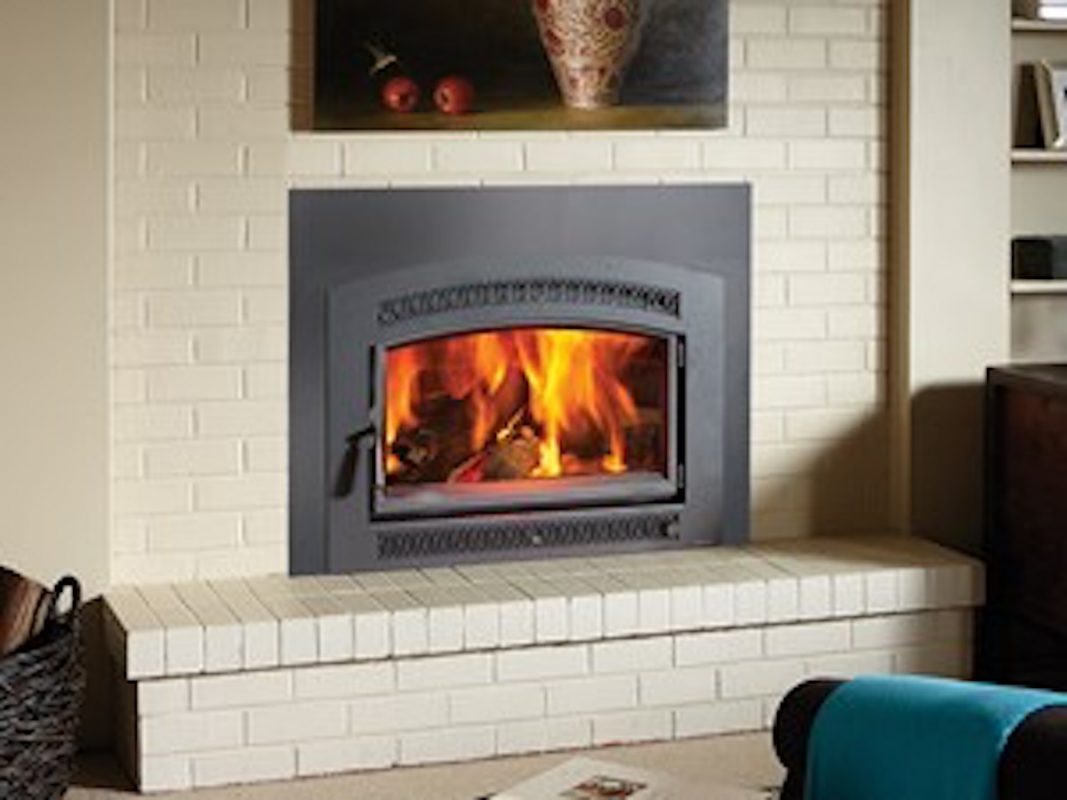
Wood-burning fireplaces are the traditional choice and offer the authentic crackle, aroma, and ambiance that many homeowners love. There’s something timeless about a real wood fire that creates a cozy, nostalgic atmosphere. However, wood fireplaces require a chimney, regular cleaning, and a steady supply of firewood. They also demand more hands-on effort to start and maintain a fire. For homeowners who value tradition and don’t mind maintenance, wood fireplaces deliver unmatched authenticity.
Exploring Gas Fireplaces
Gas fireplaces provide the warmth and appearance of a real flame without the work involved in burning wood. Available in natural gas or propane models, they ignite instantly with the flip of a switch or remote control. Gas fireplaces offer consistent heat output and are typically more energy-efficient than wood-burning units. They require professional installation and proper ventilation, but maintenance is relatively minimal compared to wood fireplaces. For homeowners seeking convenience and reliable performance, gas is a strong contender.
Considering Electric Fireplaces
Electric fireplaces are the most versatile and easiest to install. They don’t require chimneys, gas lines, or venting systems, making them ideal for apartments, condos, or homes without existing fireplace infrastructure. Many electric models plug into standard outlets and can be mounted on walls or inserted into entertainment centers. While they don’t produce real flames, modern designs feature realistic flame effects and adjustable heat settings. Electric fireplaces are a practical solution for those prioritizing simplicity and flexibility.
Comparing Installation Requirements
Installation complexity varies significantly between fireplace types. Wood fireplaces require a chimney and compliance with strict building codes, often making them the most labor-intensive option. Gas fireplaces need proper venting and a gas line connection, which also calls for professional expertise. Electric fireplaces, on the other hand, typically involve minimal installation work. Understanding your home’s existing infrastructure and renovation budget can help determine which option is most feasible.
Evaluating Heating Efficiency
When it comes to heating performance, gas fireplaces are often the most efficient. They provide consistent, controllable heat and can warm specific rooms effectively. Wood fireplaces produce strong heat but can lose efficiency if much of the warmth escapes through the chimney. Electric fireplaces are generally better suited for supplemental heating rather than serving as a primary heat source. Assessing your heating needs will guide you toward the fireplace that best supports your comfort goals.
Maintenance and Upkeep
Maintenance requirements differ among the three options. Wood fireplaces require regular ash removal, chimney inspections, and cleaning to prevent creosote buildup. Gas fireplaces need occasional servicing to check burners and ventilation systems but are far less labor-intensive. Electric fireplaces require minimal upkeep beyond basic cleaning and bulb replacement in some models. If ease of maintenance is a priority, electric and gas fireplaces typically demand less time and effort.
Assessing Environmental Impact
Environmental considerations are increasingly important for many homeowners. Wood-burning fireplaces release smoke and particulates, which can contribute to air pollution. Gas fireplaces burn cleaner than wood and produce fewer emissions. Electric fireplaces have no direct emissions inside the home, though their environmental impact depends on the energy source powering your electricity. If reducing your carbon footprint is a concern, gas and electric models may offer more environmentally friendly options.
Design Flexibility and Aesthetics
Each fireplace type offers distinct design possibilities. Wood fireplaces often feature classic brick or stone surrounds, enhancing traditional interiors. Gas fireplaces provide flexibility in design, with sleek linear models that suit modern homes or traditional inserts that mimic wood-burning units. Electric fireplaces offer the greatest design versatility, as they can be installed in spaces where venting isn’t possible. Your home’s architectural style and personal taste will play a significant role in determining the right fit.
Budget Considerations
Cost is a major factor when choosing a fireplace. Wood fireplaces may involve higher installation costs due to chimney construction and structural requirements. Gas fireplaces require professional installation and connection to a gas line, which can add to upfront expenses. Electric fireplaces are generally the most affordable to install, though operating costs depend on electricity rates. Weighing both initial investment and long-term operating expenses ensures you make a financially sound decision.
Safety Factors to Keep in Mind
Safety should always be a top priority. Wood fireplaces carry risks related to sparks, smoke, and chimney fires if not properly maintained. Gas fireplaces require secure connections and proper ventilation to prevent gas leaks or carbon monoxide buildup. Electric fireplaces are often considered the safest option, as they do not involve open flames or combustible fuels. Evaluating your household’s needs—especially if you have children or pets—can influence your choice.
Choosing What Fits Your Lifestyle
Ultimately, the best fireplace for your home depends on how you plan to use it. If you cherish the ritual of building a fire and appreciate traditional charm, a wood-burning fireplace may be ideal. If convenience and efficiency top your list, gas offers a balance of warmth and ease. For flexible installation and minimal maintenance, electric fireplaces provide practical appeal. By considering installation requirements, efficiency, design, budget, and lifestyle preferences, you can confidently select a fireplace that enhances both comfort and ambiance in your home for years to come.