
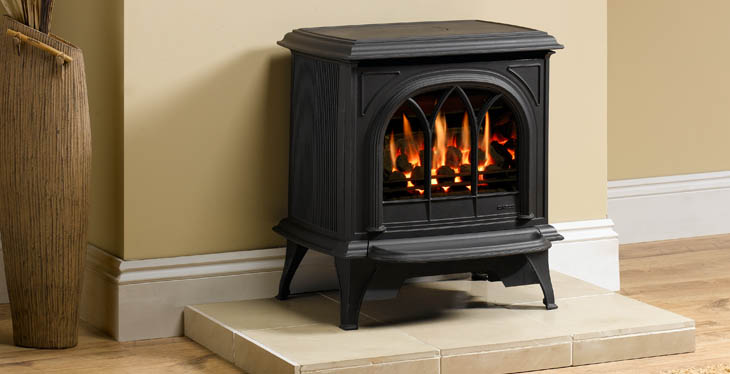
Choosing the right stove for your home is about more than just warmth and aesthetics—it’s also a smart financial and environmental decision. Energy-efficient stoves can significantly reduce heating costs while providing reliable, comfortable heat throughout the colder months. With a wide range of options available today, understanding how different stove types perform can help you select the best solution for long-term savings and efficiency.
Why Energy-Efficient Stoves Matter
Heating is one of the largest energy expenses for most households, making efficiency a top priority. An energy-efficient stove uses less fuel to produce the same or greater amount of heat, reducing both utility bills and environmental impact. Modern stove designs also distribute heat more evenly, minimizing wasted energy and improving overall comfort.
Wood-Burning Stoves
Wood-burning stoves are a popular choice for homeowners seeking efficiency and affordability. Newer EPA-certified models are designed to burn wood more completely, producing more heat while using less fuel. This improved combustion reduces emissions and lowers wood consumption, making modern wood stoves far more cost-effective than older models.
Pellet Stoves
Pellet stoves are known for their high efficiency and convenience. They burn compressed wood pellets, which provide consistent heat and produce minimal ash. Many pellet stoves feature thermostatic controls that automatically regulate temperature, helping homeowners maintain comfort while minimizing energy waste and heating costs.
Gas Stoves
Gas stoves, fueled by natural gas or propane, offer excellent efficiency and ease of use. They provide instant heat with precise temperature control, reducing energy loss. Because gas burns cleanly and efficiently, these stoves often result in lower heating bills and minimal maintenance compared to solid-fuel options.
Electric Stoves
Electric stoves are a practical option for smaller spaces or homes without access to gas or wood. While electricity can be more expensive in some regions, modern electric stoves are highly efficient at converting energy into heat. They also eliminate fuel storage concerns and require very little upkeep, contributing to predictable operating costs.
Hybrid Stoves
Hybrid stoves combine features from multiple heating technologies to maximize efficiency. For example, some models integrate wood-burning capabilities with secondary combustion systems or catalytic converters. These designs extract more heat from each fuel source, offering enhanced performance and reduced fuel consumption over time.
Catalytic Wood Stoves
Catalytic wood stoves use a special catalyst to burn gases and particles that would otherwise escape as waste. This process increases heat output while lowering emissions, making them among the most efficient wood-burning options available. Although they may have a higher upfront cost, the long-term savings on fuel can be substantial.
Freestanding vs. Insert Stoves
The configuration of your stove also affects efficiency. Freestanding stoves radiate heat into a room effectively and can heat larger areas when placed strategically. Stove inserts, designed to fit into existing fireplaces, improve efficiency by preventing heat loss through the chimney. Both options can deliver excellent cost savings when properly installed.
Fuel Availability and Cost Considerations
The most cost-effective stove depends on local fuel availability and pricing. Wood and pellets may be inexpensive in rural areas, while natural gas is often more affordable in urban settings. Choosing a stove that uses readily available fuel ensures consistent savings and avoids fluctuations in heating expenses.
Proper Installation and Insulation
Even the most efficient stove won’t perform well without proper installation. Professional installation ensures optimal airflow, safe venting, and maximum heat transfer. Pairing your stove with good home insulation further enhances efficiency, allowing you to retain heat longer and reduce overall energy use.
Maintenance and Long-Term Efficiency
Regular maintenance is essential for keeping a stove operating efficiently. Cleaning components, inspecting seals, and servicing burners or fans help maintain peak performance. Well-maintained stoves last longer, perform better, and continue delivering cost savings year after year.
Environmental Benefits of Efficient Stoves
Energy-efficient stoves not only save money but also reduce environmental impact. Lower fuel consumption means fewer emissions and reduced reliance on nonrenewable resources. Choosing an efficient model supports sustainable heating while still meeting your home’s comfort needs.
Choosing the Right Stove for Your Home
Selecting the best stove involves balancing efficiency, fuel type, installation requirements, and budget. Each stove type offers unique advantages, and the ideal choice depends on your home’s size, layout, and heating goals. Consulting with a professional can help ensure you select a stove that delivers maximum efficiency and savings.
A Smart Investment for Comfort and Savings
Investing in an energy-efficient stove is a decision that pays off in multiple ways. Lower heating bills, improved comfort, and reduced environmental impact make these stoves a valuable addition to any home. By choosing the right type and maintaining it properly, you can enjoy reliable warmth and long-term cost savings for years to come.