
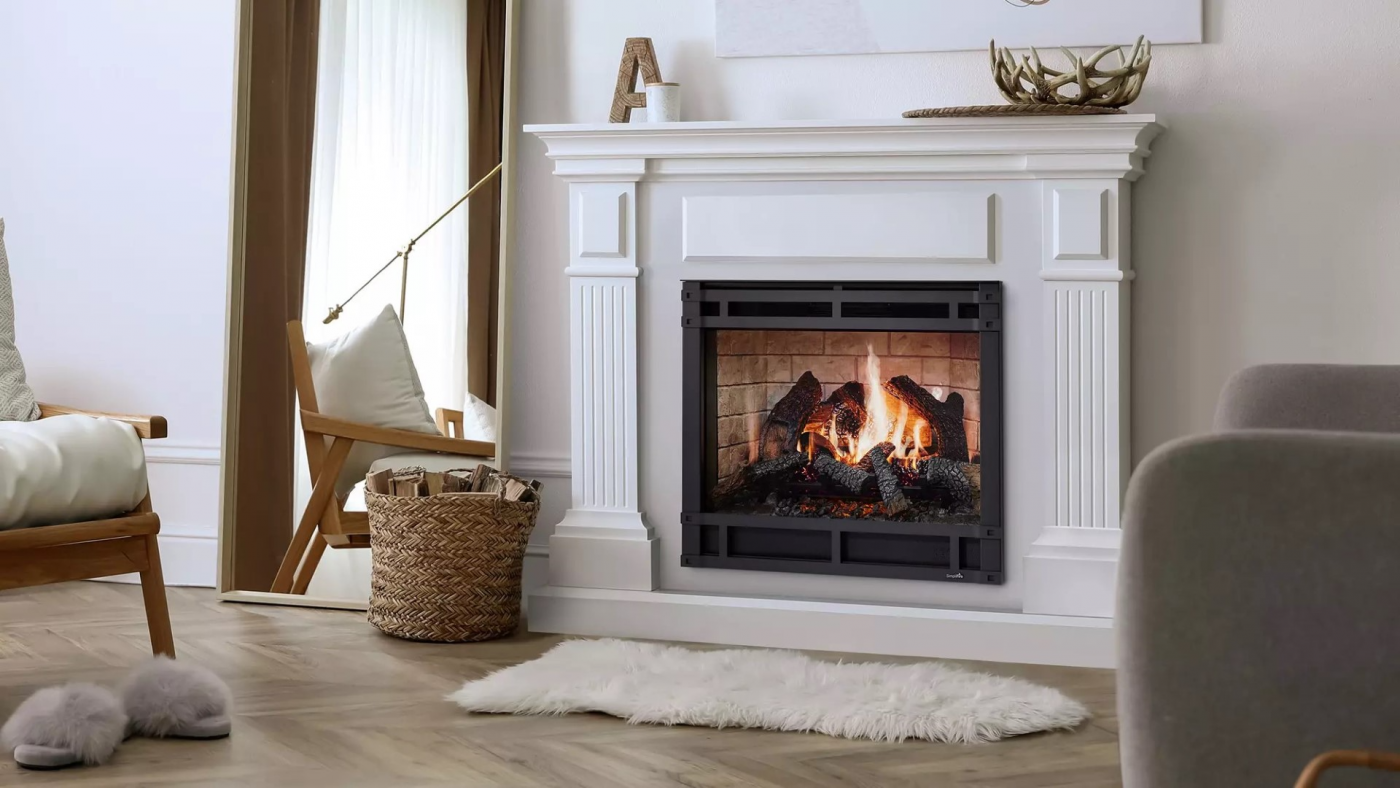
A well-maintained fireplace or stove is more than just a cozy centerpiece for your home—it’s also an efficient heating source that can save you money and reduce safety risks. Proper maintenance ensures that your fireplace or stove operates at peak performance, providing consistent warmth while minimizing the chance of fire hazards or mechanical issues. From regular cleaning to professional inspections, keeping up with maintenance can make your home safer, more comfortable, and energy-efficient all year long.
Clean the Firebox Regularly
The firebox is the heart of your fireplace or stove, where the fuel burns. Removing ash and debris regularly prevents buildup that can affect airflow and reduce heating efficiency. For wood-burning units, ensure the ashes are fully cooled before disposal, and avoid leaving excessive ash that can smother the fire. A clean firebox also makes starting new fires easier and helps maintain a consistent flame, improving the overall performance of your heating source.
Inspect and Clean the Chimney or Flue
The chimney or flue carries smoke and gases safely out of your home, so keeping it clean is essential. Creosote buildup from wood fires can create serious fire hazards if not removed regularly. It’s recommended to have a professional chimney sweep inspect and clean your chimney at least once a year, especially before the heating season begins. Regular inspections also help identify cracks, blockages, or other issues that could compromise safety or efficiency.
Check and Maintain Stove Components
For stoves, whether wood, pellet, or gas, the internal components require regular attention. Inspect gaskets, seals, and doors for wear or damage, as leaks can reduce efficiency and pose safety risks. Clean glass panels to prevent soot buildup that can obstruct your view of the fire, and check moving parts like dampers or fans for smooth operation. Keeping all components in good working order ensures your stove runs efficiently and safely throughout the season.
Use Proper Fuel
The type and quality of fuel you use can greatly impact the performance and longevity of your fireplace or stove. For wood-burning units, burn seasoned hardwoods, which produce less creosote and burn hotter than softwoods. Avoid burning treated wood, painted surfaces, or trash, as these can release harmful chemicals and increase residue buildup. For pellet stoves, use high-quality pellets recommended by the manufacturer, and for gas fireplaces, ensure the gas supply and burners are functioning correctly. Proper fuel contributes to better efficiency, cleaner operation, and longer equipment life.
Monitor Airflow
Adequate airflow is crucial for combustion and heat distribution. Check that vents, dampers, and air intakes are clean and unobstructed. Poor airflow can cause smoke to back up into the room, reduce heating efficiency, and lead to more rapid soot accumulation. Adjust dampers as needed to control the burn rate, optimize heat output, and maintain a safe and clean fireplace or stove environment.
Schedule Professional Inspections
Even with regular cleaning and maintenance, professional inspections are key to ensuring long-term performance and safety. Certified technicians can check for hidden issues such as structural damage, leaks, or malfunctioning components that may not be visible to homeowners. Annual inspections provide peace of mind, prevent costly repairs, and help your fireplace or stove operate at maximum efficiency.
Maintain Surrounding Areas
The area around your fireplace or stove should also be kept clean and free of hazards. Remove flammable materials such as rugs, furniture, or decorations that are too close to the heat source. For wood stoves, ensure the hearth extends adequately to protect flooring from sparks or embers. A well-maintained surrounding area enhances safety and prevents potential fire risks, allowing you to enjoy your fireplace or stove worry-free.
Monitor Carbon Monoxide and Smoke Detectors
Safety devices like carbon monoxide detectors and smoke alarms are essential when using a fireplace or stove. Ensure these detectors are installed near the heating area, tested regularly, and have fresh batteries. Even a perfectly maintained unit can malfunction or produce harmful gases under certain conditions, so having these alerts in place is a critical layer of protection for your household.
Perform Seasonal Maintenance
Before the heating season begins and after it ends, perform seasonal maintenance to prepare your fireplace or stove for use and storage. Clean thoroughly, inspect for any wear or damage, and make any necessary repairs. Seasonal preparation helps avoid unexpected issues during peak use and extends the life of your heating system. Documenting maintenance tasks also helps track the condition of your fireplace or stove over time.
Consider Upgrades and Enhancements
Modern accessories and upgrades can improve the performance and efficiency of your fireplace or stove. Installing a fireplace insert, adding a heat-resistant fan, or upgrading to high-efficiency glass doors can help distribute heat more effectively and reduce energy waste. Evaluate options recommended by professionals to enhance your system while keeping safety and performance in mind.
Maintaining your fireplace or stove is essential for safety, efficiency, and longevity. Regular cleaning, professional inspections, proper fuel usage, and attention to airflow all contribute to optimal performance. By taking proactive steps to care for your heating system, you can enjoy a warm, cozy home throughout the season while minimizing risks and maximizing efficiency. A well-maintained fireplace or stove not only provides reliable warmth but also enhances your home’s comfort and value. With consistent care and attention, you can ensure that your fireplace or stove continues to operate at peak performance year after year.