
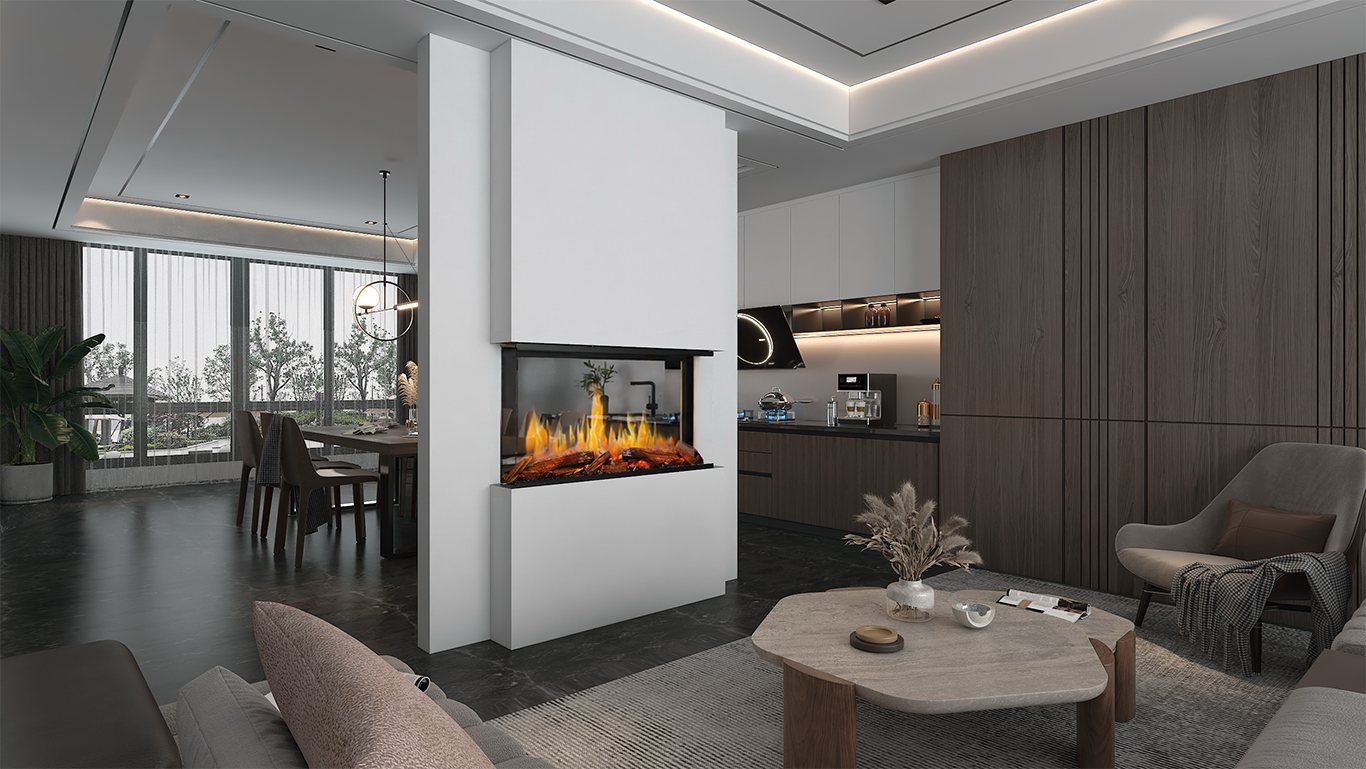
As temperatures begin to drop, many homeowners look forward to the warmth and comfort of a crackling fireplace. Whether you have a traditional wood-burning fireplace or a gas unit, proper cleaning and maintenance are essential before the winter season begins. A neglected fireplace can become inefficient, produce unpleasant odors, or even create serious safety hazards such as chimney fires and carbon monoxide buildup. Taking the time to inspect, clean, and maintain your fireplace will help ensure it operates safely and efficiently throughout the colder months while providing the cozy atmosphere that makes winter evenings so enjoyable.
Start with a Thorough Inspection
Before lighting the first fire of the season, carefully inspect the entire fireplace system. Look for cracks in the firebox, damaged bricks or mortar, rust on metal components, and any signs of water damage around the hearth or chimney. Check the damper to make sure it opens and closes properly, and examine the chimney exterior for loose bricks, damaged flashing, or missing chimney caps. Identifying these issues early allows you to make repairs before they become more serious or affect the safe operation of your fireplace.
Remove Old Ash and Debris
Ash left over from previous fires should be removed before winter use. Use a fireplace shovel to scoop ashes into a metal container with a tight-fitting lid. Even ashes that appear cool may contain hidden embers, so store the container outdoors on a non-combustible surface until the ashes are completely cold. Leaving a thin layer of ash—about one inch—can actually help insulate the firebox and make it easier to start new fires, but excessive ash buildup should be removed regularly.
Clean the Firebox
Soot and creosote can accumulate inside the firebox over time. Use a stiff-bristled brush to scrub the walls and floor of the firebox, removing loose soot and debris. For stubborn stains, a mixture of warm water and mild dish soap or a fireplace cleaner designed for masonry surfaces can be used. Avoid using harsh chemicals that could damage the brick or mortar. Once cleaned, allow the firebox to dry completely before using the fireplace again.
Inspect and Clean the Chimney
The chimney is one of the most important parts of your fireplace system, and it should be inspected annually. Creosote, a highly flammable byproduct of burning wood, can build up along the chimney walls and increase the risk of a chimney fire. While homeowners can perform a basic visual inspection with a flashlight, a professional chimney sweep should clean the chimney if there is significant creosote buildup, visible obstructions, or if it has been more than a year since the last cleaning. Professional cleaning also helps identify hidden structural problems that may not be visible from the fireplace opening.
Check the Damper
The damper controls airflow and helps prevent warm indoor air from escaping when the fireplace is not in use. Open and close the damper several times to ensure it moves freely and seals properly when closed. If it is stuck, rusted, or does not close tightly, it may need cleaning, lubrication, or replacement. A properly functioning damper improves heating efficiency and helps keep cold drafts from entering your home during the winter.
Clean Fireplace Doors and Screens
Glass fireplace doors can become coated with soot and smoke residue, which reduces visibility and detracts from the appearance of the fire. Use a fireplace glass cleaner or a homemade solution of vinegar and water to clean the glass. For stubborn soot, dipping a damp cloth into fine wood ash can provide gentle abrasion. Metal screens should be brushed clean and inspected for holes or damage that could allow sparks to escape. Keeping these components clean improves both safety and appearance.
Test Gas Fireplace Components
If you have a gas fireplace, inspect the burner, pilot light, and ignition system before winter use. Dust and debris can accumulate around the burner ports and affect flame performance. Turn off the gas supply and gently clean the burner area with a soft brush or vacuum attachment. Relight the pilot according to the manufacturer’s instructions and observe the flame. It should burn steadily and appear mostly blue. If you notice unusual odors, delayed ignition, or yellow flames, contact a qualified technician for service.
Use the Right Firewood
For wood-burning fireplaces, always burn seasoned hardwood that has been properly dried for at least six to twelve months. Wet or green wood produces more smoke, creates excessive creosote, and generates less heat. Store firewood in a dry, well-ventilated area off the ground and covered on top to protect it from rain and snow. Properly seasoned wood burns cleaner, produces more heat, and helps keep your chimney cleaner throughout the winter.
Monitor for Smoke or Draft Problems
After lighting your first fire of the season, pay attention to how the fireplace performs. Smoke should rise smoothly up the chimney without entering the room. If smoke backs into the house, there may be a blockage, a closed damper, or a drafting problem caused by cold air in the chimney. A professional inspection may be necessary if drafting issues persist. Good airflow is essential for both safety and efficient burning.
Install and Test Safety Devices
A fireplace should always be paired with working smoke detectors and carbon monoxide detectors. Test all alarms before winter begins and replace batteries if needed. Keep a fire extinguisher nearby and make sure everyone in the household knows how to use it. These simple precautions provide an added layer of protection while enjoying your fireplace throughout the season.
Schedule Annual Professional Maintenance
Even with regular homeowner maintenance, an annual inspection by a certified chimney professional is highly recommended. A professional can clean hard-to-reach areas, inspect the chimney liner, check for structural damage, and ensure the entire system meets current safety standards. Routine professional maintenance helps prevent costly repairs and gives you peace of mind during the winter months.
A clean and well-maintained fireplace not only looks better but also operates more safely and efficiently. By inspecting the system, removing ash and soot, cleaning the chimney, checking the damper, and addressing any problems before winter arrives, you can enjoy reliable warmth and a cozy atmosphere all season long. Regular maintenance protects your home, extends the life of your fireplace, and ensures that every fire you light is both safe and enjoyable.