
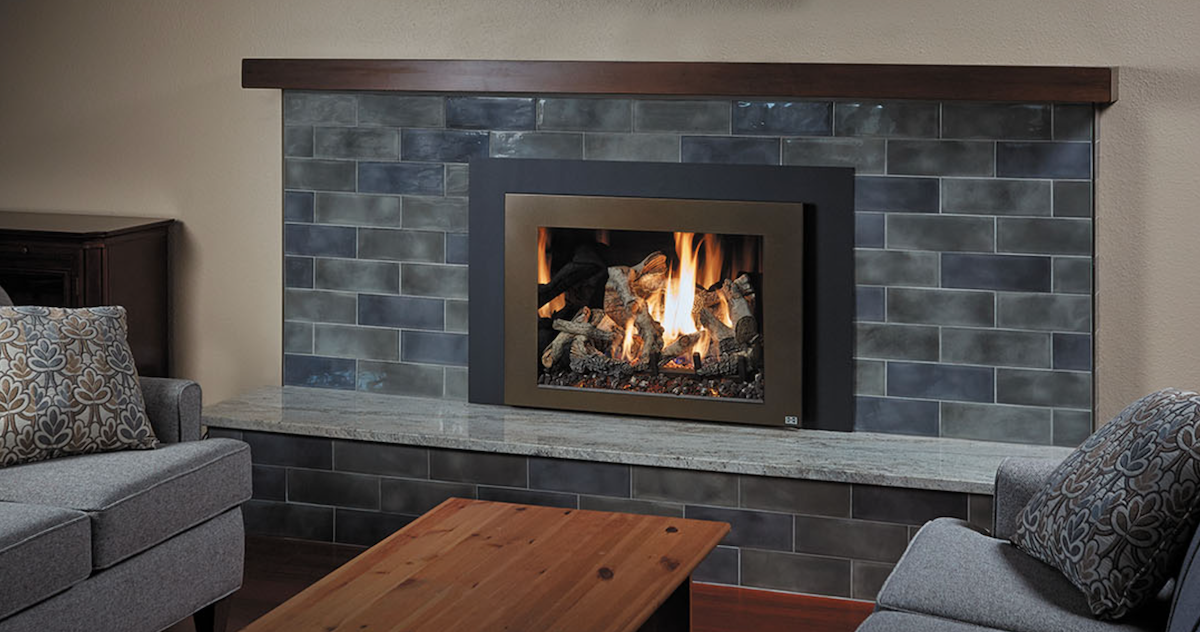
A fireplace can be one of the most enjoyable features in a home, providing warmth, comfort, and a welcoming atmosphere during colder months. However, traditional fireplaces are often inefficient, allowing much of the heat they generate to escape through the chimney. Fireplace inserts offer a practical solution by improving heating performance, reducing energy waste, and enhancing overall comfort. Choosing the right fireplace insert requires careful consideration of factors such as fuel type, size, efficiency ratings, and installation requirements. Understanding these key elements can help homeowners make an informed decision and maximize the benefits of their investment.
Understand What a Fireplace Insert Does
A fireplace insert is a self-contained heating unit designed to fit inside an existing masonry or prefabricated fireplace. Unlike traditional fireplaces that lose significant amounts of heat, inserts are engineered to generate and distribute heat more effectively throughout the home. Most models feature insulated fireboxes and sealed glass doors that help retain heat and improve efficiency.
By converting an inefficient fireplace into a supplemental heat source, homeowners can reduce reliance on central heating systems and potentially lower energy costs. Fireplace inserts are available in a variety of styles and fuel options, making them suitable for different heating needs and aesthetic preferences.
Choose the Right Fuel Type
One of the first decisions homeowners must make is selecting the fuel source for their fireplace insert. The most common options include wood, gas, electric, and pellet inserts. Each offers distinct advantages depending on lifestyle, budget, and heating goals.
Wood-burning inserts provide the traditional crackling fire experience and can produce significant heat output. Gas inserts offer convenience, easy operation, and consistent heat without the need to handle firewood. Electric inserts are simple to install and require minimal maintenance while still providing ambiance. Pellet inserts burn compressed wood pellets and are known for their efficiency and environmentally friendly operation.
Evaluating fuel availability, maintenance requirements, and personal preferences can help narrow down the best option for your home.
Consider Heating Capacity
Selecting an insert with the proper heating capacity is essential for achieving maximum efficiency. A unit that is too small may struggle to adequately heat the space, while one that is too large can produce excessive heat and waste energy.
Manufacturers typically provide recommendations regarding the square footage each model can effectively heat. Factors such as ceiling height, insulation quality, window placement, and climate conditions should also be considered when determining the appropriate size. Consulting with a fireplace professional can help ensure the chosen insert matches your home’s specific heating requirements.
Look for High Efficiency Ratings
Efficiency ratings are among the most important factors to evaluate when comparing fireplace inserts. Higher efficiency means more of the fuel’s energy is converted into usable heat rather than being lost through the venting system.
Many modern inserts are certified by environmental and energy organizations that establish performance standards. Homeowners should review efficiency percentages, heat output ratings, and emissions information before making a purchase. Investing in a highly efficient model may cost more upfront but can result in substantial energy savings over time.
Evaluate Venting Requirements
Different fireplace inserts have unique venting needs that can impact installation costs and performance. Proper venting ensures safe operation while maximizing heating efficiency.
Wood and pellet inserts typically require a chimney liner to safely direct smoke and combustion gases outside. Gas inserts may use direct-vent or vent-free systems depending on the model and local regulations. Electric inserts generally require no venting at all, making them one of the simplest options to install.
Understanding the venting requirements before selecting an insert can help homeowners avoid unexpected expenses and ensure compliance with local building codes.
Pay Attention to Fireplace Dimensions
Accurate measurements are critical when choosing a fireplace insert. Since inserts are designed to fit within existing fireplace openings, the dimensions of the firebox must be carefully evaluated.
Homeowners should measure the height, width, and depth of their current fireplace and compare those dimensions with manufacturer specifications. An insert that fits properly will operate more efficiently and provide a cleaner, more polished appearance. Professional installers can verify measurements and recommend suitable models that fit securely within the existing structure.
Consider Heat Distribution Features
Efficient heat production is only part of the equation. Effective heat distribution helps ensure warmth reaches the desired areas of the home. Many fireplace inserts include built-in blowers or fans that circulate warm air more evenly throughout the room.
Some advanced models offer adjustable fan speeds, thermostatic controls, and programmable settings that improve comfort and energy efficiency. These features can make a significant difference in how effectively the insert heats your living space and can enhance overall performance during colder months.
Think About Maintenance Requirements
Maintenance needs vary significantly between different types of fireplace inserts. Understanding the level of upkeep required can help homeowners choose a model that fits their lifestyle.
Wood-burning inserts require regular ash removal, chimney inspections, and occasional cleaning to prevent creosote buildup. Pellet inserts need routine cleaning of burn pots and hopper systems. Gas inserts generally require less maintenance but should still be inspected annually. Electric inserts are typically the easiest to maintain, requiring little more than occasional dusting and cleaning.
Choosing a fireplace insert with manageable maintenance requirements can ensure long-term satisfaction and consistent performance.
Match the Style to Your Home
While efficiency is important, aesthetics also play a role in selecting the right fireplace insert. Modern inserts are available in a wide variety of designs, finishes, and decorative options that can complement virtually any interior style.
Homeowners can choose from traditional cast-iron appearances, sleek contemporary designs, realistic log sets, and decorative surrounds. Selecting an insert that enhances the room’s overall appearance allows the fireplace to serve as both a functional heating source and an attractive focal point.
Work with a Qualified Installation Professional
Professional installation is essential for maximizing efficiency, ensuring safety, and protecting your investment. Experienced installers understand local building codes, venting requirements, and manufacturer guidelines.
A qualified professional can assess your existing fireplace, recommend suitable insert options, and complete the installation correctly. Proper installation not only improves performance but also reduces the risk of safety issues such as improper venting, smoke leakage, or inefficient operation.
Final Thoughts
Choosing the right fireplace insert involves more than simply selecting a model that looks appealing. Homeowners should carefully evaluate fuel type, heating capacity, efficiency ratings, venting requirements, maintenance needs, and design preferences to find the best fit for their home. A properly selected and professionally installed fireplace insert can significantly improve heating efficiency, reduce energy costs, and create a warm, comfortable environment throughout the colder seasons. By taking the time to understand the available options, homeowners can enjoy the benefits of a beautiful and highly efficient fireplace for many years to come.